

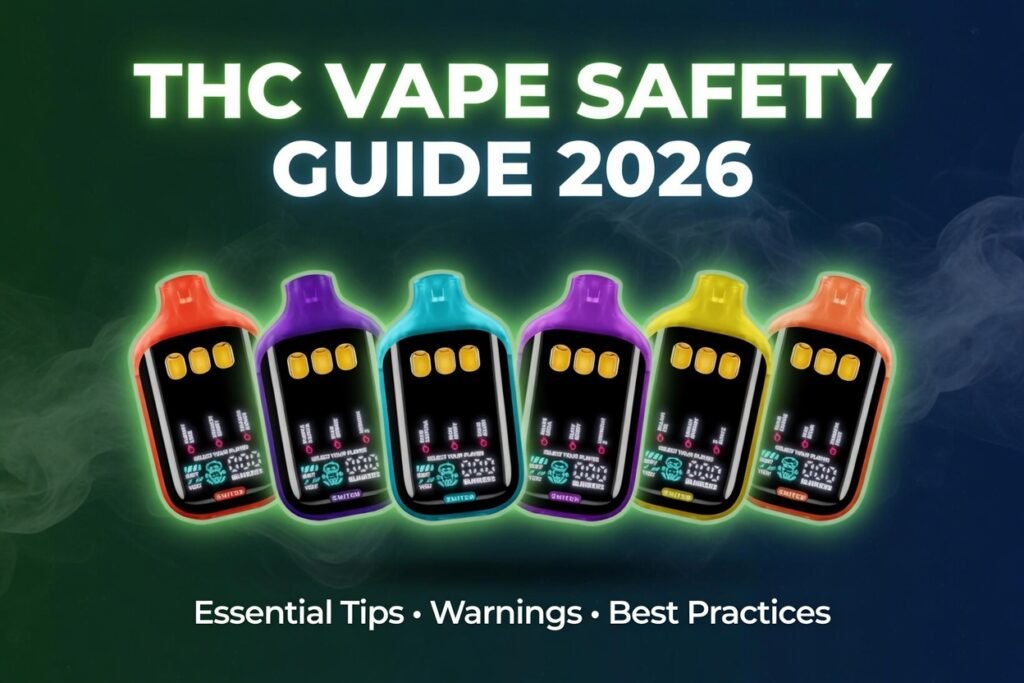
THC Vape Safety Guide 2026
Lab Testing, Hardware & Product Awareness
Published: May 2026
Last Updated: May 24, 2026
Why THC Vape Safety Matters
THC vapes have become a common way for adults to use cannabis, partly because they are discreet, portable, and often feel smoother than smoking. However, this convenience can sometimes make people overlook important safety details related to product quality, ingredients, and hardware performance. As a result, understanding the basics of THC vape safety is important for anyone considering these products.
This guide is designed for three groups of readers:
- Adults who are new to THC vaping and need clear, beginner‑friendly safety information
- Experienced vapers who want to double‑check habits, hardware, and product choices
- Medically focused readers, including medical cannabis patients, who want to better understand product transparency and risk‑related factors (without receiving medical advice)
Throughout this article, the focus remains strictly informational. It does not encourage use, and it does not replace guidance from a qualified healthcare professional or local regulations.
Who This Guide Is For
To make the information easier to apply, it helps to see where you fit:
- New cannabis users: You may be curious about THC vapes, unsure how strong they are, and worried about choosing a safe product. For you, this guide explains basic terms, what to look for on labels, and how to avoid common mistakes.
- Experienced vapers: You probably already have a device or preferred brands. Even so, small changes in hardware, settings, or sourcing can affect both safety and consistency. Here, you will find reminders on testing, hardware quality, and storage that may refine your current routine.
- Medical‑focused readers: You might be using THC under medical guidance or considering it for symptom management. While this guide cannot offer medical advice, it can help you ask better questions about product testing, contaminants, and device reliability. Ultimately, treatment decisions must always be made with a healthcare provider.
Because these three audiences have different needs, each major section includes context that can apply to beginners, experienced vapers, and medically minded readers alike.
Third‑Party Laboratory Testing: The Starting Point
Before comparing devices or flavors, it is important to understand third‑party lab testing. In many regulated markets, THC vape products are sent to independent laboratories to be tested for potency and contaminants. When available, these results are usually summarized in a document called a Certificate of Analysis (COA).
Key testing categories often include:
- Cannabinoid potency
Potency testing measures how much THC, CBD, and sometimes other cannabinoids are present in the oil. This is usually shown as a percentage or as milligrams per gram. For a new user, this helps you see that some cartridges are far stronger than others. For an experienced vaper, this information can help you compare new products to your usual baseline. For medically focused readers, potency data can be a starting point for discussions with a healthcare professional about consistency and titration. - Heavy metals
Some labs test for heavy metals such as lead, arsenic, cadmium, and mercury. These can come from soil, manufacturing, or even low‑quality hardware components. While limits differ by region, the general goal is to keep inhaled exposure as low as reasonably possible. - Residual solvents
If the oil is made with solvents like butane, propane, or ethanol, testing can show whether any remain in the final product and at what levels. Regulations often define maximum allowable levels, especially for products intended for inhalation. - Pesticides and other contaminants
Many regulated markets require screening for pesticides, mold, bacteria, mycotoxins, and other impurities. This is especially relevant for medical‑focused readers, because people with underlying health issues may want to avoid added stressors in inhaled products.
To use this information in practice, consumers can:
- Compare the batch number on the package with the batch number on the COA
- Check the date of testing to see whether the report is reasonably recent
- Confirm which categories were actually tested rather than assuming everything was covered
If a product does not offer any verifiable testing information, some consumers choose to look for more transparent options instead.
Avoiding Counterfeit and Unverified Products
As THC vapes have become more popular, counterfeit and unverified products have also appeared in some markets. These products may copy branding or packaging from legitimate companies but do not follow the same quality controls or testing standards. Consequently, they can be difficult to evaluate and may carry additional risk.
To reduce the chance of purchasing a counterfeit or unverified vape, many consumers:
- Use QR authentication systems
Some brands print QR codes on the package that link to a verification page or lab report when scanned. If the code leads to a generic site, an error, or unrelated content, this may be a signal to proceed with caution. - Check batch or lot numbers
Legitimate packages often display batch or lot numbers. Consumers can sometimes enter these numbers on the brand’s website or compare them with COAs provided online. If the batch number on the product does not match what the company lists, that discrepancy may be a concern. - Inspect tamper‑resistant packaging
Tamper‑evident seals, perforations, or other safety features help show that the product has not been opened since leaving the producer or retailer. If seals are broken, mismatched, or missing, some consumers decide not to use that item. - Purchase from licensed retailers where possible
Many people prefer to buy THC vapes from licensed dispensaries or pharmacies rather than informal sellers. In regulated systems, licensed retailers are usually subject to specific rules about sourcing, testing, and record‑keeping, although standards still vary by region.
For new users especially, it may feel overwhelming to distinguish genuine products from look‑alikes. However, taking a moment to scan codes, read labels, and check the source can make a meaningful difference. Medically focused readers may also want to confirm that the seller is authorized under local medical cannabis frameworks, if applicable.
Proper THC Vape Storage
Even a well‑tested, authentic product can perform poorly if it is stored incorrectly. Because THC oil and hardware components react to temperature, light, and moisture, storage conditions can shape both flavor and reliability.
Common storage practices include:
- Keep devices upright
Storing cartridges upright can help keep the oil pooled around the wick and atomizer instead of drifting toward the mouthpiece or air channels. As a result, this may reduce the chance of leaks and gurgling. New users often notice fewer messy situations when they avoid tossing cartridges loosely in bags or pockets. - Avoid excessive heat
High temperatures can thin the oil, affect seals, and stress batteries. Leaving a vape in a hot car, near heating vents, or in direct sunlight for long periods can change both taste and performance. For experienced vapers, consistent storage can help maintain predictable draws and minimize degradation over time. - Protect from direct sunlight
Light, especially strong sunlight, may gradually affect cannabinoids and flavor compounds. Although you might not see an instant change, long‑term exposure can alter the overall experience. - Prevent moisture exposure
While the oil itself is not water‑based, moisture and condensation can affect contacts, circuitry, and materials in the device. For this reason, it is generally wise to avoid storing vapes in humid bathrooms or near water sources.
By following these simple habits, consumers may preserve both the quality of the oil and the integrity of the hardware for longer.
Hardware Quality and Design Considerations
THC vapes combine several elements: a battery, a heating coil, wicking material, a tank or cartridge, and airflow pathways. The design and build quality of each component can influence both user experience and safety‑related factors.
Common hardware issues
Some issues that users may encounter include:
- Oil leakage
Leaks can occur when seals are weak, threads do not align well, or storage conditions are poor. Besides wasting product, leaks may also affect the battery connection and make the device messy or unreliable. - Burnt or harsh vapor
When oil is heated at excessively high power or temperatures, it can produce a burnt or harsh sensation. Experienced vapers who use adjustable batteries may lower the voltage or wattage to find a smoother range, especially with new cartridges. New users often benefit from leaving devices at the default setting recommended by the manufacturer instead of immediately turning power up. - Clogging and restricted airflow
Thick oils, narrow internal pathways, or residue buildup can lead to clogs. In some cases, storing the device upright, taking slower draws, or following the manufacturer’s maintenance steps may help. However, repeated clogs might also indicate design limitations or mismatched oil and hardware.
Choosing and using hardware carefully
For beginners, simple pre‑filled disposables or basic battery‑and‑cartridge systems may feel easier to manage. Nevertheless, it is still helpful to:
- Read the instructions provided by the manufacturer
- Use only compatible cartridges and batteries
- Avoid modifying the device beyond what the manufacturer specifies
Experienced vapers often pay attention to details like coil material, resistance, and recommended voltage ranges. They may notice that matching a cartridge designed for lower power with a very strong battery can increase the likelihood of harsh hits.
Medically focused readers may prefer hardware with clear specifications, minimal buttons, and consistent output, so that each session feels more predictable. Even then, any decisions about medical use, device type, or dosing should always be made with a healthcare professional.
Understanding THC Vape Effects and Dosing Awareness
Because vaping can deliver THC quickly, especially with potent oils, dosing awareness is an important safety factor for all audiences. Effects may vary based on individual sensitivity, product strength, and inhalation style.
General dosing awareness
Although this guide does not give personal dosing recommendations, there are general ideas many adults keep in mind:
- Start low and go slow
New users often begin with a very small number of puffs—sometimes just one or two—and then wait to see how they feel. Unlike edibles, which can take longer to show effects, vapes often act more rapidly. Nevertheless, some people may still feel delayed or building effects over the next several minutes. - Consider tolerance and product strength
Experienced vapers might already know their usual range, but potency can vary significantly between products. A cartridge listed at a higher THC percentage than usual may feel stronger, even for someone with experience. Therefore, it can be wise to treat unfamiliar products with extra caution at first. - Medical‑focused context
For medically focused readers, dosage and frequency are clinical questions. Because underlying conditions, other medications, and overall health can change risk profiles, these factors need to be reviewed with a healthcare professional. This article cannot predict what is appropriate for any individual or condition.
In addition, all users should be aware that THC can affect coordination, perception, and judgment. Consequently, activities such as driving or operating machinery should never be combined with impairment, regardless of the consumption method.
Product Transparency and Information Access
Beyond testing and hardware, transparency plays a central role in vape safety. Clear labeling and accessible information allow consumers to make more informed decisions.
Some elements that many consumers look for include:
- Ingredient lists
Packaging may list the type of cannabis extract (such as distillate, live resin, or rosin) and any additional ingredients, including flavorings or carrier substances. If the label is vague or incomplete, some people prefer to choose a different product. - Clear cannabinoid information
When THC, CBD, and other cannabinoids are labeled clearly, users can compare products more easily. This transparency benefits beginners who are still learning how strong different options feel, as well as experienced vapers tracking their preferences. - Access to lab results and batch details
QR codes, lot numbers, and website links can help consumers find the corresponding COA. Medically focused readers may especially value being able to show a complete lab report to their clinician if they are discussing cannabis as part of a broader care plan. - Brand communication and support
Some companies provide customer support channels where people can ask questions about testing, ingredients, and manufacturing. While not a guarantee of quality, responsive communication may indicate a stronger focus on transparency.
Because regulations differ dramatically by region, not every product will include the same level of detail. Nevertheless, when information is hard to find or verify, many safety‑conscious consumers choose to prioritize brands that are more open.
Health and Legal Considerations
Even when a product is well‑tested and properly used, THC vaping is not risk‑free. It involves inhaling substances into the lungs, and potential health impacts are an ongoing topic of study. Different individuals can respond in very different ways, depending on their health history, sensitivity, and environment.
A few important points to remember:
- Local laws vary
THC products are only legal in certain places and usually only for adults or approved medical patients. Therefore, it is essential to know and follow the laws in your region. This guide does not encourage use in any jurisdiction where it is prohibited. - Health risks exist
Vaping may feel smoother than smoking to some users, yet that does not mean it is harmless. People with respiratory or cardiovascular issues, in particular, should be cautious and speak with a healthcare professional before using any inhaled product. - No substitute for professional advice
This guide is for general informational purposes only. It cannot diagnose, treat, or recommend anything for individual health conditions. Anyone using or considering THC for medical reasons should work directly with a qualified healthcare professional to evaluate risks, benefits, and alternatives.
By keeping these considerations in mind, readers can place the more technical details about hardware, testing, and storage in a broader context of personal safety and responsibility.
Responsible THC Vape Awareness
Ultimately, responsible THC vape awareness is about taking time to understand both the product and your own situation before use. Instead of focusing only on flavors or branding, you can:
- Review third‑party lab testing where available
- Verify authenticity through batch numbers, QR codes, and licensed retailers
- Store devices in conditions that protect both the oil and the hardware
- Pay attention to power levels, hardware quality, and signs of wear or malfunction
- Approach dosing carefully, especially with new products or methods
- Consider health status, legal context, and professional guidance at every step
By combining these habits, new cannabis users can reduce avoidable mistakes, experienced vapers can refine their choices, and medically focused readers can ask more precise questions in clinical settings.